Oil Prices Fall After Vance Says 12 Million Barrels Exit Hormuz
Oil prices fell after Vice President JD Vance said more than 12 million barrels of oil moved through the Strait of Hormuz as a U.S.-Iran deal took effect, easing immediate concerns about supply disruptions tied to the conflict involving Iran and Israel.
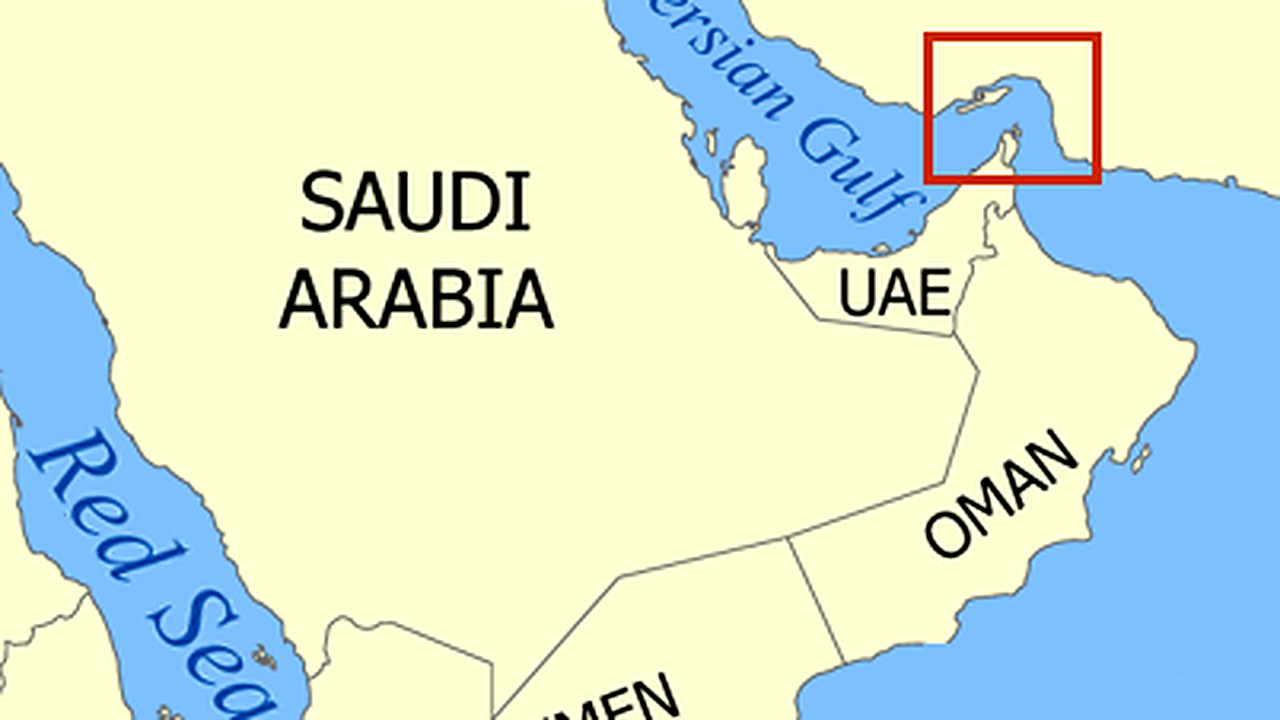
In public remarks reported by multiple outlets, Vance put the figure at about 12.5 million barrels passing through the Strait of Hormuz over a recent night. The waterway, off Iran’s southern coast, is one of the world’s most important chokepoints for seaborne crude and refined products. Traders and refiners closely watch traffic through the strait for signs of whether flows are being interrupted or returning to normal levels.
The price decline came as markets digested Vance’s statement alongside broader reports that the U.S.-Iran deal was taking effect. Separate coverage also pointed to the deal easing supply concerns, while news reports continued to track renewed hostilities involving Iran, Israel, and U.S. strikes, underscoring the region’s volatility even as oil shipments continued moving.
Vance’s comments were notable because they pointed to a large volume of crude successfully transiting the narrow passage, a key barometer for physical supply. When the strait remains open and tankers move at scale, it can reduce the risk premium that builds into oil prices during periods of heightened geopolitical tension. Even short-term uncertainty around the strait can ripple through energy markets, affecting gasoline and diesel costs, airline fuel expenses, and broader inflation expectations.
The development matters beyond commodity trading. The Strait of Hormuz is a critical route for Gulf producers, and any sustained disruption can tighten global supply, raising energy costs for U.S. consumers and businesses. A visible continuation of flows, even amid broader conflict reporting, can shift expectations about near-term availability and reduce fears of immediate shortages.
Still, the broader regional picture remained complex. Other recent headlines included Iran saying a deal with the U.S. would require Israeli forces to leave Lebanon, highlighting unresolved political and security issues surrounding the arrangement. Meanwhile, ongoing coverage of military activity in and around Iran kept attention focused on whether the security situation could change quickly.
Next, energy markets are expected to keep reacting to official statements and any confirmation of shipping volumes through the strait. Traders will also monitor whether the U.S.-Iran deal continues to hold and how it interacts with the evolving security situation involving Iran, Israel, and U.S. actions in the region. Government and industry observers will watch for indications of stable tanker traffic, insurance conditions, and any operational changes that might affect shipments.
For now, Vance’s reported figure of more than 12 million barrels moving through the Strait of Hormuz provided a concrete signal of continued throughput, and oil prices moved lower in response.