OpenAI Requires Hardware Passkeys For Trusted Access Members
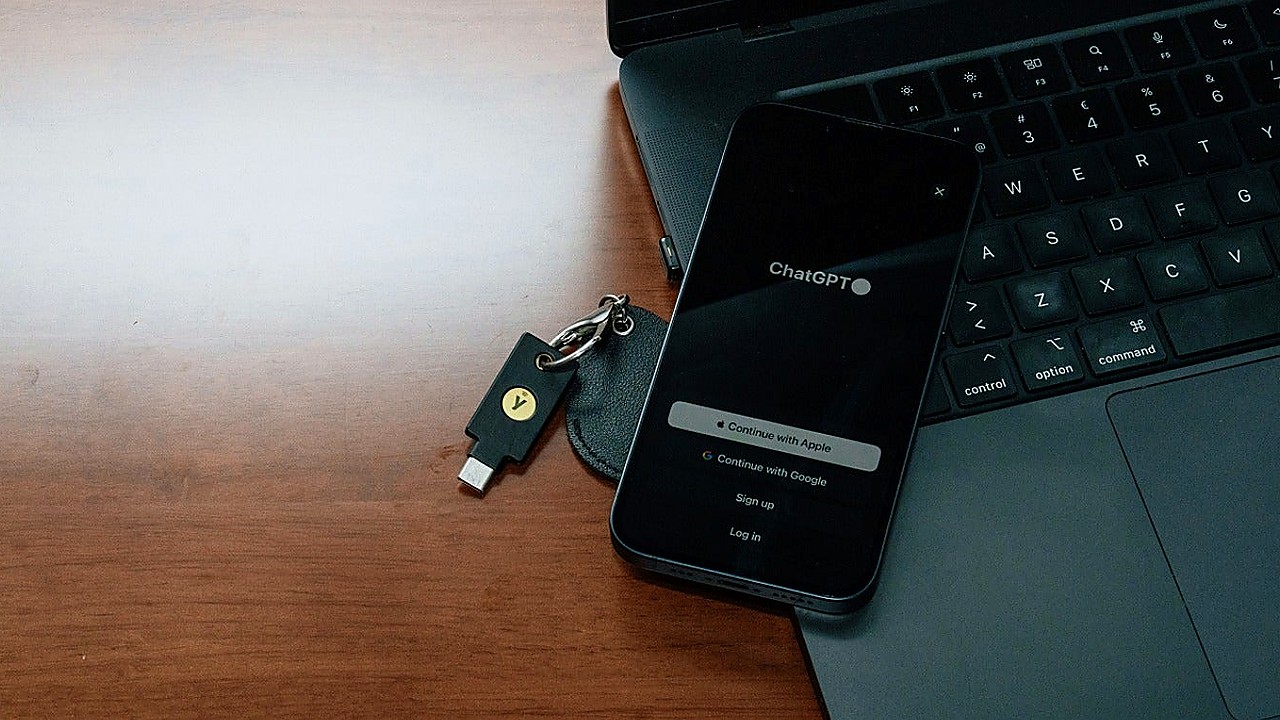
OpenAI is requiring members of its Trusted Access Cyber program to use hardware-backed passkeys to access its most advanced cyber-focused AI models, tightening identity controls around tools the company treats as especially sensitive.
The change applies to Trusted Access Cyber members seeking access to advanced cyber models and related capabilities. Under the mandate, users must authenticate using passkeys that are backed by hardware, rather than relying solely on traditional passwords or other less robust sign-in methods. The requirement centers on ensuring that access to these systems is tied to a physical security device or a hardware-secured credential.
OpenAI’s move affects a narrow but high-impact group: organizations and individuals cleared for Trusted Access Cyber, a tier associated with access to the company’s most capable cyber tooling. The mandate is specifically about the authentication method used at login, setting a higher bar than consumer-grade account security for those handling advanced cyber model access.
Hardware-backed passkeys are designed to reduce account takeover risk by binding authentication to a secure hardware element. In practical terms, that can mean using a dedicated security key or a device-based credential protected by specialized hardware. For accounts that can reach high-sensitivity models, the goal is to prevent unauthorized access even if a password is compromised.
The development matters because access controls are a key line of defense around advanced cyber capabilities. In the cyber domain, the difference between an authorized user and an intruder can be a single compromised login. By requiring a hardware-backed factor, OpenAI is elevating the baseline security posture for a program tied to its most sensitive cyber tools.
It also signals a stricter approach to gatekeeping advanced systems. While many organizations recommend multi-factor authentication, mandating hardware-backed passkeys sets a higher threshold and reduces reliance on methods that can be more susceptible to phishing or credential theft.
For Trusted Access Cyber members, the requirement means adjusting account setups and login workflows. Users who do not already have compatible hardware-backed passkeys will need to enroll one to retain access. Organizations participating in the program may also need to coordinate distribution, enrollment, and support for the required authentication method across their teams.
What happens next will depend on OpenAI’s implementation timeline and enforcement, including how quickly Trusted Access Cyber members must comply and what access limitations apply to accounts that do not meet the new requirement. The company’s mandate indicates that access to the most advanced cyber models will be conditioned on the stronger authentication standard.
The bottom line: OpenAI is raising the security bar for Trusted Access Cyber by making hardware-backed passkeys a prerequisite for entry to its most advanced cyber AI models.