Over 50 Million In Northeast Face Severe Storm Threat Today
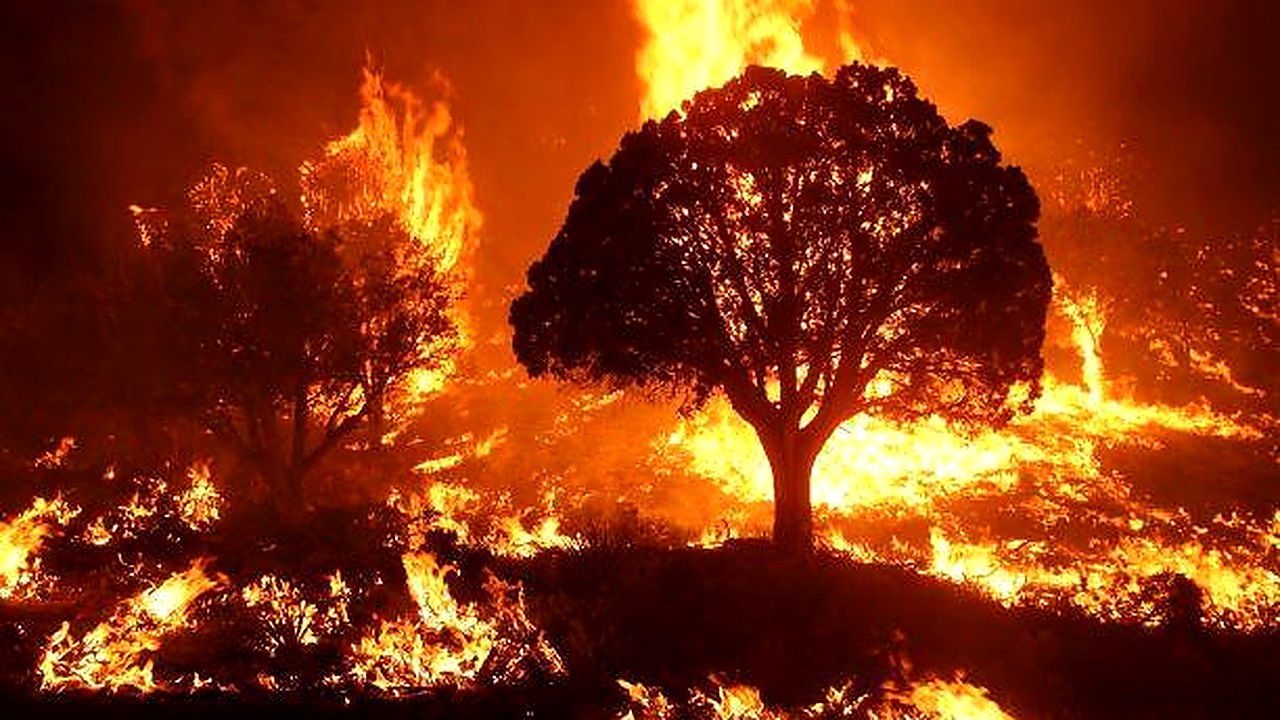
More than 50 million people across the Northeast were under a severe weather risk as wildfire smoke from Canada continued to affect air quality across a wide swath of the United States, according to published reports.
The threat of strong storms extended across major population centers in the Northeast, where forecasters warned of the potential for severe conditions while lingering smoke remained in the region. At the same time, air quality alerts were in effect in parts of the Midwest, mid-Atlantic and Northeast as smoke drifted south from wildfires burning in Canada, multiple outlets reported.
The smoke has already choked much of the northeastern U.S. and the Upper Midwest, darkening skies and pushing air into unhealthy or hazardous categories for millions of residents, according to reports describing conditions on Thursday. IQAir also listed air quality alerts across parts of the Midwest and Northeast, and local reporting described statewide advisories in Ohio tied to the Canadian fires.
The combination of severe weather risk and degraded air quality complicates day-to-day life for residents and local officials. Severe storms can disrupt travel, knock out power, and cause localized damage, while smoke can pose immediate health concerns, particularly for people with asthma, heart disease, or other respiratory conditions.
Public health and emergency managers often face a dual challenge in such situations: communicating storm safety while also urging residents to limit time outdoors when air quality deteriorates. For communities already dealing with haze and reduced visibility, incoming storms can add another layer of uncertainty for outdoor events, commutes, and municipal operations.
The smoke situation is tied to ongoing wildfires in Canada that have periodically shrouded areas of the U.S. Midwest, mid-Atlantic and Northeast, The Guardian reported. Yale Climate Connections described the episode as a dangerous and historic pollution event affecting both the U.S. and Canada.
Forecast updates and air quality statements were expected to continue as conditions evolve. Some outlets published outlooks on how long smoke could linger and what forecasts show for weekend air quality, reflecting ongoing changes in wind patterns and atmospheric conditions.
Residents in affected regions were urged in published advisories to pay attention to local forecasts and official air quality statements, especially those in sensitive groups. Officials typically recommend limiting outdoor exertion during poor air quality and following severe weather instructions if storms approach.
The next several days will be closely watched for any improvement in smoke levels and for how storm systems track through the Northeast, with millions in the region balancing two separate hazards at once.