Strait Of Hormuz Blockade Threatens Saudi Oil Exports
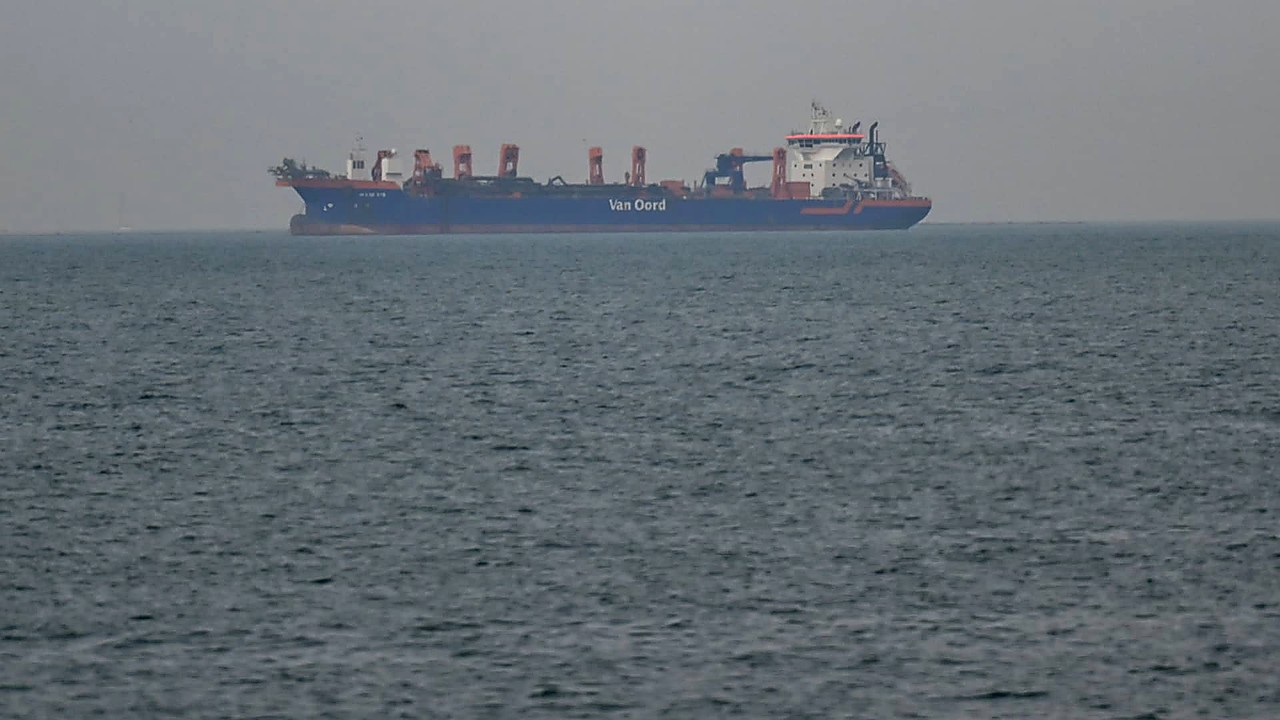
The Strait of Hormuz is facing a blockade, a development that would disrupt one of the world’s most important energy chokepoints and put major oil- and gas-dependent economies under immediate pressure.
The Strait of Hormuz sits between Iran and Oman and serves as the primary maritime passage connecting Persian Gulf producers to global markets. A blockade would constrain tanker traffic moving crude oil, refined products, and liquefied natural gas, tightening supply routes that many countries rely on for steady imports.
Countries in Asia would be among the most exposed. China and Japan are large importers of Middle East energy and are heavily tied to seaborne flows that transit the strait. South Korea, another major energy importer, also faces elevated vulnerability because it depends on maritime deliveries to feed industrial demand, including sectors that are sensitive to fuel costs.
Beyond Northeast Asia, other import-dependent economies in the region would face higher operational risks as alternative supply routes and replacement barrels become harder to secure quickly. Any sustained disruption would force refiners, utilities, shippers, and governments to make rapid adjustments, often at higher cost and with less flexibility.
The development matters because the Strait of Hormuz is not a marginal route; it is a central artery in the global energy system. When flows through a chokepoint are threatened, the immediate effect is uncertainty over delivery timing and availability. That can ripple through pricing for crude oil, fuels used for transportation, and natural gas-linked power generation, raising costs for households and businesses far from the Gulf.
A blockade also complicates logistics across the shipping sector. Tanker schedules, insurance, and routing decisions can change quickly when a major corridor is constrained. Even countries that are not direct importers of Gulf oil can feel the impact through global pricing and tighter freight capacity, particularly if cargoes are rerouted or delayed.
For the most exposed countries, the issue is not only the price of energy but also continuity of supply. Refineries and power systems are built around predictable feedstocks and delivery windows. Sudden disruptions can force substitutions, drawdowns of inventories, or reductions in energy-intensive activity, all of which can slow economic output and raise costs.
What happens next will depend on whether maritime traffic can continue safely and consistently through the strait and how energy buyers and sellers respond. Importing countries may move to manage supply risk through procurement shifts, inventory management, or other measures aimed at maintaining stability. Markets will also be watching for any operational updates affecting tanker movement and regional energy exports.
The stakes are high because any prolonged constraint at the Strait of Hormuz would reverberate across global energy trade, with the heaviest burdens falling on the largest Asian importers that rely on the passage to keep their economies running.