Strait Of Hormuz Threat Level Raised To Severe After Attacks
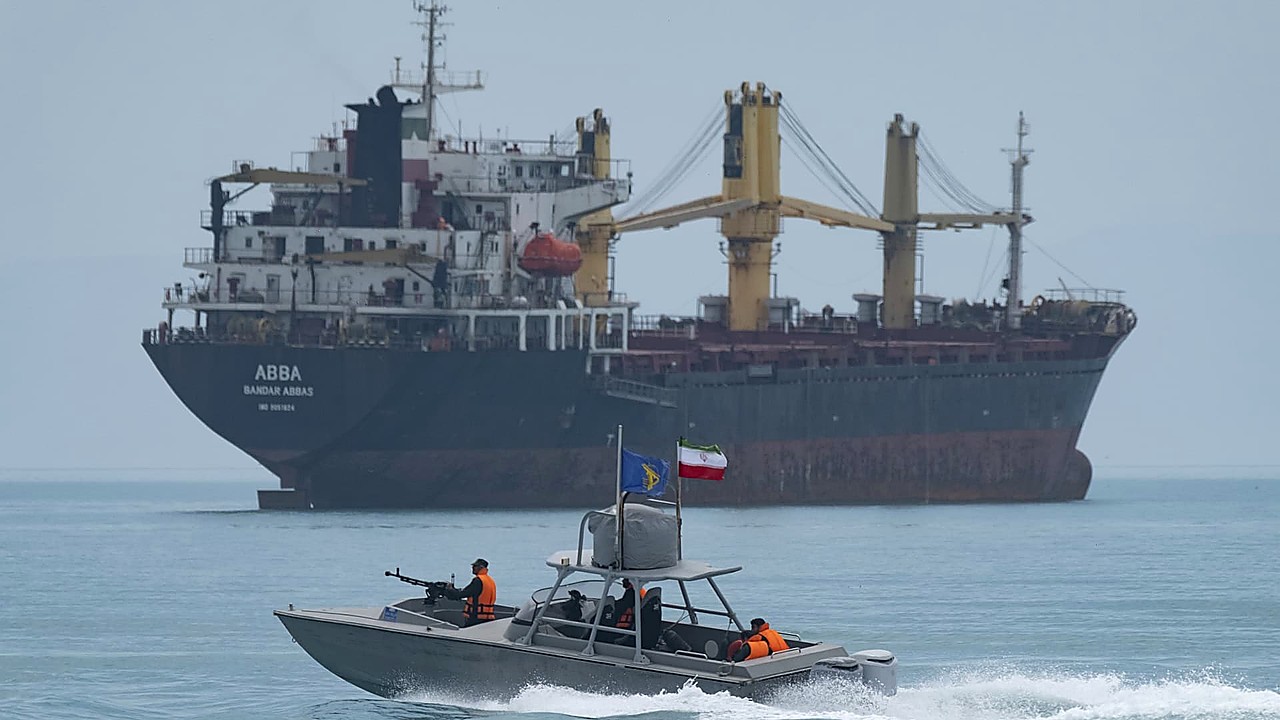
The threat level in the Strait of Hormuz has been raised to “severe” after attacks on oil tankers in the vital shipping corridor, including vessels traveling along a route used by the U.S. Navy, according to published reports.
The escalation follows a series of incidents in and near the strait, one of the world’s most strategically important maritime chokepoints connecting the Persian Gulf to global sea lanes. Reports cited multiple tanker strikes in a single day and described damage to Qatari and Saudi-linked tankers as the area experienced an unusually intense burst of attacks.
One report described an “unknown projectile” striking a tanker off the coast of Oman, placing at least one incident near the approaches to the strait. Other reports said Iran carried out attacks on tankers using a U.S. Navy route, a detail that heightened the security posture in the area and contributed to the move to a “severe” threat level.
The Strait of Hormuz is a narrow passage where commercial tankers, container ships, and naval vessels routinely operate in close proximity. Any rise in the threat environment there carries immediate implications for shipping safety, vessel routing decisions, and marine insurance costs, and it can create operational disruptions for energy exporters and importers alike.
This development matters because the strait is a central artery for Gulf oil and other maritime trade. Even a limited number of attacks can prompt ship operators to adjust schedules, increase security measures onboard, or seek alternative routing where possible. The impact can extend beyond the region, influencing freight rates and delivery timelines for energy and other goods moving through the corridor.
The reported targeting of tankers along a route associated with U.S. naval operations adds another layer of concern for operators and governments monitoring the area. When commercial vessels are struck in heavily patrolled waters, it can quickly force changes in how ships are escorted, how they communicate while transiting, and how risk is assessed for voyages through the strait.
What happens next will likely center on tightened maritime security and updated guidance for vessels transiting the region. Ship owners and charterers typically respond to elevated threat levels by reviewing passage plans, increasing watchstanding, limiting nighttime exposure where feasible, and coordinating more closely with relevant maritime authorities.
Further details about the attacks, the extent of damage, and the condition of affected crews and vessels are expected to emerge through official statements and incident reporting. The elevated “severe” designation signals that additional incidents are considered a serious concern for traffic through the strait and adjacent waters.
For now, the Strait of Hormuz remains open to navigation, but the new “severe” threat level underscores how quickly risks to commercial shipping can intensify in one of the world’s most consequential waterways.