Oil Prices Jump Over 2% After Khamenei Rejects Uranium Export
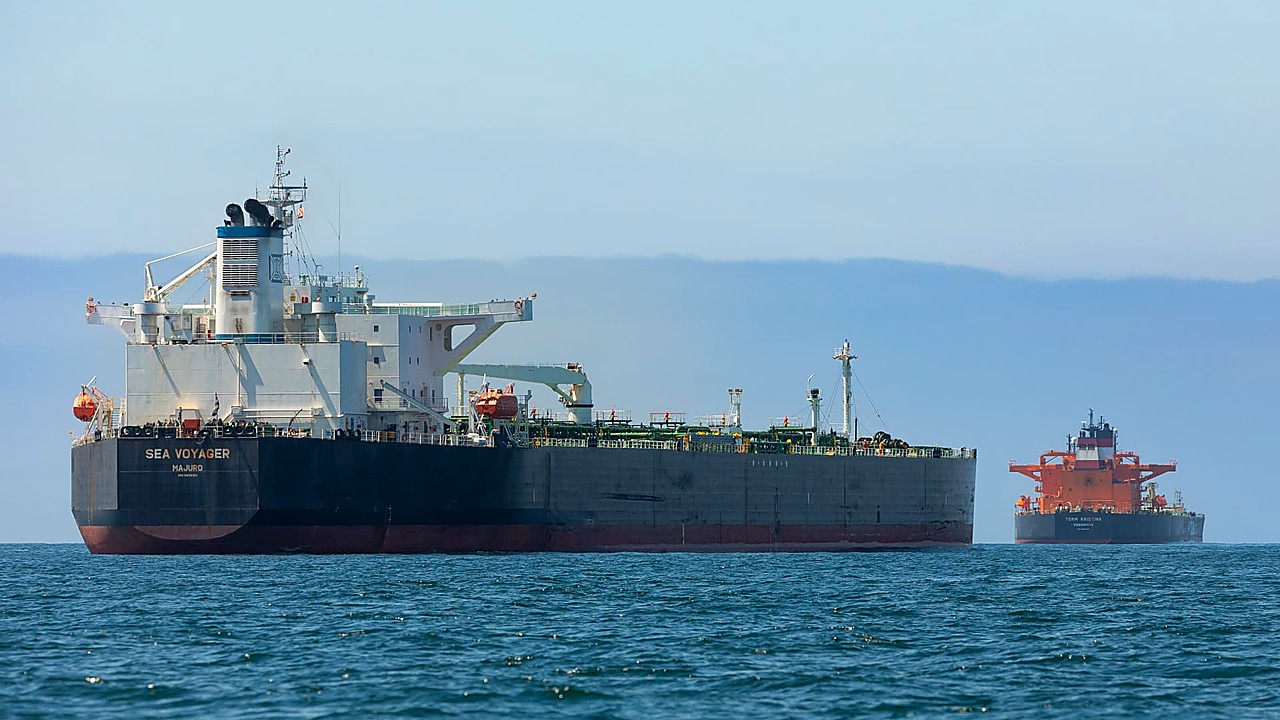
Oil prices climbed more than 2% on Monday after Iran’s supreme leader said the country’s uranium must remain inside Iran, a comment that helped push crude higher as broader markets moved lower.
The move came as investors weighed geopolitical developments tied to Iran and their potential implications for energy supplies and regional stability. The price increase was reported in early trading as crude rebounded and energy markets led the day’s major commodity moves.
Iran’s supreme leader made the remark about uranium remaining in the country as the oil market was already sensitive to signals involving Iran’s nuclear posture. The statement coincided with a risk-off tone across financial markets, with stock futures slipping and oil rising.
The market reaction was not limited to crude. Reports also noted a pullback in stocks alongside the rise in oil, reflecting a shift in investor positioning at the start of the week. The combination of higher energy prices and weaker equity sentiment underscored how quickly geopolitical headlines can influence multiple asset classes at once.
Oil’s jump matters because energy prices are tightly linked to inflation expectations, household fuel costs, and corporate expenses across transportation, manufacturing, and consumer goods. A sharp move higher in crude can feed through to gasoline and diesel prices over time, and it can also affect how investors assess the outlook for interest rates.
For markets, the day’s price action highlighted the continued sensitivity to developments involving Iran. Any changes in the geopolitical backdrop that raise uncertainty can prompt quick repricing in crude, even when no immediate supply disruption is reported.
Higher oil prices can also pressure equities, particularly sectors exposed to input costs, while supporting energy shares. The broader market decline reported alongside the oil rise reflected that tension: expensive oil can be a tailwind for producers but a headwind for consumers and many businesses.
What happens next will depend on follow-on diplomatic signals, any additional comments from Iranian leadership, and the next round of market pricing as traders assess risk. Investors will also watch for further moves in crude as the week’s economic and market events unfold, including shifts in broader risk appetite that can amplify moves in commodities.
For now, oil’s more than 2% gain served as a reminder that comments from top officials in key geopolitical flashpoints can move global markets quickly, even before any tangible changes in supply are evident.