Trump Iran Concession Claims Spark Questions In Washington
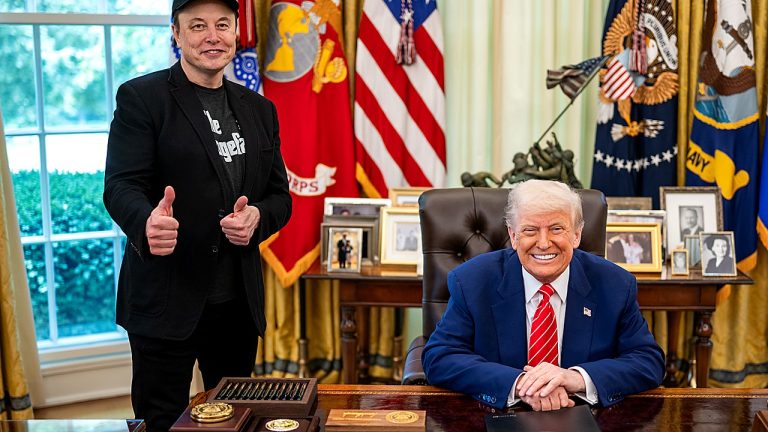
Former President Donald Trump’s recent claims about Iranian concessions have drawn immediate questions and public rejections from officials in Tehran, injecting new uncertainty into already-stalled diplomacy between the United States and Iran.
The claims, carried in public remarks and amplified across international coverage, were met with pushback from Iranian voices who disputed that Tehran had offered the type of concessions Trump described. The exchanges come as the broader U.S.-Iran confrontation remains a central focus for regional diplomacy and international security, with no announced timetable for direct talks.
Trump’s assertions centered on the idea that Iran was prepared to make significant moves, a framing that Iranian officials and aligned commentary did not accept. In Tehran, the reaction was not only denial but also a demand for clarity about what, exactly, was being claimed and on what basis.
The dispute landed amid competing narratives about the state of the conflict and the prospects for negotiations. Separate reports in recent days have described continuing day-by-day developments in the wider U.S.-Iran confrontation and have underscored that there is still no date set for U.S.-Iran talks, even as intermediaries press for diplomacy.
The episode matters because public claims of concessions—followed by official rejections—can harden positions and complicate efforts by third parties to narrow gaps between Washington and Tehran. When each side disputes the other’s account in public, it raises the political cost of compromise and makes it harder to establish a shared starting point for any future talks.
It also matters for allies and regional governments watching for signals of escalation or de-escalation. In the absence of formal negotiations, messaging becomes a proxy battleground, shaping public expectations and influencing whether policymakers believe there is space to pursue dialogue.
The back-and-forth comes as additional claims circulate around the conflict’s international dimensions, including reporting that Trump said China agreed to halt arms supplies to Iran. Iranian pushback to Trump’s broader comments underscores how quickly statements about Iran can prompt official reactions and become part of the ongoing information contest surrounding the confrontation.
For Tehran, rejecting claims of concessions serves a domestic and diplomatic purpose: maintaining that it is not yielding under pressure and that any engagement must be framed on its terms. For U.S. politics, Trump’s comments add another voice to a crowded debate about the handling of Iran and the trajectory of the conflict.
What happens next is likely to depend on whether any channel—direct or mediated—produces a concrete agenda for talks. Recent coverage has indicated that no date has been set for U.S.-Iran negotiations, even as diplomatic efforts continue in the background. Without a clear schedule or agreed framework, public statements from prominent political figures and official responses from Tehran are likely to keep driving headlines.
For now, Trump’s assertions and Tehran’s rejections have reinforced a familiar dynamic in the U.S.-Iran standoff: high-stakes claims in public, sharp denials in response, and unresolved questions about whether diplomacy can regain traction.